




Where Is Asbestos Commonly Found in Newcastle Homes?
Many homeowners are surprised to learn that asbestos can still be found in properties across Newcastle, particularly those built before 2000. Although asbestos was widely used in construction throughout much of the twentieth century, its use was eventually banned in the UK due to the serious health risks associated with exposure to airborne asbestos fibres.
The presence of asbestos in Newcastle homes does not automatically mean a property is unsafe. In many cases, asbestos-containing materials can remain in place without posing an immediate risk if they are in good condition and left undisturbed. However, problems can arise during renovation, maintenance, or demolition work when asbestos fibres are released into the air.

Understanding where asbestos is commonly found can help homeowners, landlords, and property buyers make informed decisions and avoid unnecessary risks.
Why Was Asbestos Used in Homes?
Asbestos was valued for its strength, insulation properties, fire resistance, and affordability. As a result, it became a popular construction material in both residential and commercial buildings for decades.
Properties built before 2000 may contain asbestos in a wide range of building materials, including roofing products, insulation, flooring, and decorative finishes.
Because asbestos was used so extensively, identifying its location often requires professional inspection and testing rather than visual assessment alone. If you are unsure whether asbestos may be present in your property, a professional asbestos survey can help identify asbestos-containing materials and assess potential risks before renovation or maintenance work begins.
Where Is Asbestos Commonly Found in Newcastle Homes?
The location of asbestos can vary depending on the age and construction of the property. However, several areas are more likely to contain asbestos-containing materials.
Garage Roofs and Outbuildings
One of the most common places asbestos is found is in garage roofs, sheds, and outbuildings.
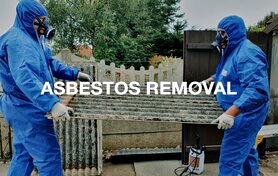
Asbestos cement sheets were widely used because they were durable and weather resistant. Many older garages throughout Newcastle still have original asbestos cement roofing in place today.
While asbestos cement is generally considered lower risk when undamaged, deterioration over time or attempts to remove roofing sheets without proper precautions can create potential hazards.
Textured Ceiling Coatings
Decorative ceiling coatings such as Artex were frequently applied to homes during the 1960s, 1970s, and 1980s.
Many textured coatings manufactured before asbestos regulations changed may contain small amounts of asbestos fibres.
These ceilings often remain safe if left undisturbed. However, drilling, sanding, or scraping textured coatings can release fibres into the air if asbestos is present.
Floor Tiles and Adhesives
Older vinyl floor tiles and the adhesives used to fix them can contain asbestos.
These materials were commonly installed in kitchens, hallways, bathrooms, and utility rooms.
Because floor coverings are often replaced during renovations, asbestos floor tiles may remain hidden beneath carpets, laminate flooring, or newer floor finishes.
Asbestos Insulation Boards
Asbestos insulation board, commonly referred to as AIB, was used in many residential properties for fire protection and insulation purposes.
It may be found in:
- Partition walls
- Ceiling panels
- Service risers
- Cupboards
- Boxing around pipes
Unlike asbestos cement products, insulation boards can release fibres more easily if damaged, making professional assessment particularly important.
Pipe Lagging and Insulation
Pipe insulation was another common use for asbestos.
In older homes, asbestos may be present around:
- Heating pipes
- Boiler systems
- Water tanks
- pipework within loft spaces
Pipe lagging is generally considered one of the higher-risk asbestos-containing materials because it can become damaged and release fibres more readily than bonded products.
Soffits, Fascias, and Guttering
External building components such as soffits, fascias, and gutters sometimes contain asbestos cement.
Many homeowners do not realise these materials may contain asbestos because they often look similar to modern alternatives.
Before carrying out repairs or replacements, it is advisable to seek professional advice if asbestos is suspected.
Are All Older Homes Likely to Contain Asbestos?
Not every older property contains asbestos, but the likelihood increases significantly in homes built before 2000.
Properties constructed between the 1950s and 1990s are generally considered most likely to contain asbestos-containing materials because this was the period when asbestos use was at its peak.
HSE guidance advises that asbestos may be present in any building built or refurbished before 2000, although the presence, type and condition of materials can vary significantly between properties.
The only reliable way to confirm whether a material contains asbestos is laboratory analysis of a representative sample, usually arranged as part of professional asbestos testing or an asbestos survey.
How Can Homeowners Identify Potential Asbestos?
Many asbestos-containing materials look identical to modern products.
For this reason, homeowners should avoid relying on visual identification alone.
Warning signs may include:
- Original garage roofs made from corrugated cement sheets
- Textured ceilings installed before the 1990s
- Old floor tiles in kitchens and bathrooms
- Insulation boards in service areas
- Pipe lagging around heating systems
Because many asbestos-containing materials look similar to modern alternatives, professional asbestos testing is often the most reliable way to confirm whether asbestos is present.
What Should You Do If You Discover Asbestos?
Finding asbestos in Newcastle homes is not necessarily a cause for alarm.
In many situations, asbestos can be safely managed without immediate removal.
The most important step is to avoid disturbing the material.
Do not:
- Drill into it
- Sand it
- Cut it
- Break it apart
- Attempt to remove it yourself
Instead, seek advice from a qualified asbestos professional who can assess the condition of the material and recommend the most appropriate course of action.
In some cases, asbestos materials can be safely managed in place. In others, professional asbestos removal may be recommended depending on the material type, condition, and likelihood of disturbance.
Why Asbestos Surveys Are Important
Many homeowners only discover asbestos when planning renovation or refurbishment work.
An asbestos survey can help identify:
- The location of asbestos-containing materials
- The condition of those materials
- Potential risks
- Whether management or removal is recommended
For properties undergoing significant refurbishment, identifying asbestos before work begins can help prevent delays, unexpected costs, and health risks.
For non-domestic premises, and the common parts of some domestic premises such as blocks of flats, there may also be a legal duty to manage asbestos and maintain suitable asbestos information.
Buying a Property in Newcastle? Consider an Asbestos Survey
Property buyers are increasingly arranging asbestos surveys as part of their due diligence process, particularly when purchasing older homes.
An asbestos survey can provide valuable information about the property’s condition and highlight any materials that may require future management or removal.
Understanding whether asbestos is present can also help buyers plan renovation projects more effectively and avoid surprises after completion.
Supporting Homeowners Across Newcastle
ACS supports homeowners, landlords, and property managers throughout Newcastle and the surrounding areas with asbestos surveys, testing, management, and removal services.
We regularly assist clients across:
- Newcastle upon Tyne
- Gosforth
- Jesmond
- Heaton
- Walker
- Fenham
- Kingston Park
- Westerhope
- Wallsend
- Gateshead
Whether you are purchasing an older property, planning refurbishment work, or simply want peace of mind, understanding the risks associated with asbestos in Newcastle homes can help you make informed decisions about your property.
Professional Advice for Newcastle Homeowners
The presence of asbestos in Newcastle homes remains a common issue due to the age of many residential properties across the city. While asbestos does not always present an immediate danger, understanding where it may be found is an important step towards protecting your property and those who live in it.
If you suspect asbestos is present in your home, professional advice should always be sought before carrying out any maintenance, renovation, or demolition work. A professional asbestos survey can help identify materials safely and provide clear guidance on whether asbestos can be managed or if removal is recommended.
ACS provides asbestos surveys, asbestos testing, asbestos management services, and asbestos removal solutions for homeowners throughout Newcastle and the surrounding areas.