


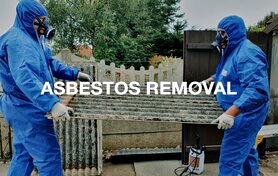


How To Know If You Have Asbestos In Your Property
Asbestos is still commonly discovered in UK properties built before 2000, especially during renovations, property purchases, and refurbishment work. In 2026, many homeowners, landlords, and business owners are arranging asbestos surveys and asbestos testing before carrying out building work to ensure properties remain safe and compliant. If asbestos-containing materials are damaged or disturbed, they can release harmful fibres into the air, which is why early identification is extremely important.
So, how do you know if your property contains asbestos? Here are a few steps you can take:
- Look for warning signs: Asbestos was used in a variety of building materials, including insulation, floor tiles, roofing, and textured coatings (Artex). If your home was built before the year 2000 and has any of these materials, it may contain asbestos.
- Check records: Check the information you have on your home from the time of purchase. It may be mentioned on your home buyers report or a full asbestos survey could have been carried out at that time. All commercial properties built before 2000 should be compliant with the Control of Asbestos Regulations 2012 and hold an up-to-date asbestos register and any asbestos should be safely managed by competent people.
- Hire a professional: If you do not have any records and are still unsure whether or not your property contains asbestos, an asbestos survey is the best way to find out. You can hire a professional asbestos surveyor like ACS to inspect your home. The survey will be able to identify any materials that contain asbestos and ACS can advise you on how to proceed.
Planning Renovation or Refurbishment Work?
Asbestos is often discovered during renovation and refurbishment projects. Activities such as drilling, sanding, cutting, or removing older building materials can disturb asbestos fibres and release them into the air.
Before starting renovation work in a property built before 2000, it is strongly recommended to arrange an asbestos survey to identify any potential risks safely.
This is particularly important before:
- Kitchen or bathroom renovations
- Loft conversions
- Garage conversions
- Ceiling replacements
- Flooring removal
- Demolition work
- Commercial fit-outs
Identifying asbestos early can help prevent health risks, project delays, and unexpected costs later in the process.
If you do need to remove asbestos from your home, it is important to hire a professional to do it safely. Asbestos removal can be a dangerous and complex process, so it is best to leave it to the experts.
Why Professional Asbestos Advice Matters
There are many asbestos removal companies to choose from, but by using a local asbestos removal company like ACS, you can be sure that you are getting high-quality service from a company that has served people all over the community.
Attempting to remove or disturb asbestos materials without professional guidance can create serious health risks. In the UK, asbestos exposure remains one of the leading causes of work-related illness due to the dangerous fibres released when materials are damaged.
Professional asbestos surveyors and removal specialists can identify asbestos-containing materials safely, advise whether the material should be managed or removed, and ensure any work is carried out in line with current UK asbestos regulations.
Conclusion
If you suspect your residential or commercial property may contain asbestos – or even if you’re just looking for peace of mind – we recommend following the steps above, and then reaching out to a professional asbestos company to get things managed as safely as possible.
For more information regarding asbestos, the risks, and the solutions available, please don’t hesitate to give us a call today at 01623 473214 or message us via our contact form, and our team will be happy to help you in any way we can, with free estimates available.
FAQs
Properties built before 2000 may contain asbestos in ceilings, insulation, roofing materials, floor tiles, and textured coatings. Professional asbestos testing is the safest way to confirm whether asbestos is present.
In many cases, asbestos materials are considered lower risk when they remain sealed and undamaged. The main danger occurs when asbestos fibres become airborne due to damage, drilling, cutting, or deterioration.
Yes. If a property was built before 2000, arranging an asbestos survey before refurbishment or renovation work is strongly recommended to identify potential risks safely.
Not reliably. Many asbestos-containing materials look similar to modern alternatives, which is why professional testing is usually required.
Avoid disturbing the material and seek professional advice. Attempting to cut, drill, or remove suspected asbestos materials can release harmful fibres into the air.