




Asbestos in Newcastle: What Businesses & Landlords Need to Know
If you own, manage, or lease a commercial property, understanding asbestos in Newcastle is essential. Many buildings across the region still contain asbestos, and failing to manage it properly can lead to serious legal and health risks. The law is clear: those responsible for non-domestic premises must actively manage asbestos risks.
Whether you run an office, retail unit, industrial site, or rental property, understanding your legal duties is essential. This guide explains what businesses and landlords in Newcastle need to know to stay compliant, protect occupants, and avoid costly penalties.

Do Businesses Need to Manage Asbestos in Newcastle?
Yes — under the Control of Asbestos Regulations 2012, managing asbestos in Newcastle commercial properties is a legal responsibility for duty holders.
This applies to:
- Business owners
- Commercial landlords
- Property managers
- Facilities managers
- Anyone responsible for maintenance or repairs
In simple terms, if you are responsible for a building, you are responsible for asbestos risk.
What Is the “Duty to Manage” Asbestos?
The “duty to manage” means you must take reasonable steps to prevent exposure to asbestos.
Key responsibilities include:
- Identifying whether asbestos is present
- Assessing the risk of exposure
- Creating and maintaining an asbestos management plan
- Informing anyone who may disturb asbestos (e.g., contractors)
- Regularly reviewing and updating records
Failing to meet these obligations can lead to serious legal consequences, including fines and prosecution.
Where Is Asbestos Commonly Found in Commercial Buildings?
Many older buildings still contain asbestos in Newcastle, particularly those constructed before 2000:
- Insulation around pipes and boilers
- Suspended ceiling tiles
- Partition walls and panels
- Floor tiles and adhesives
- Roofing sheets and external cladding
- Lift shafts and service ducts
Because these materials are often hidden, a professional survey is the only reliable way to confirm their presence.
Do Landlords Need an Asbestos Survey?
Yes — in most cases, a survey is essential to meet legal obligations.
There are two main types:
Management Survey
- Required for ongoing occupancy and maintenance
- Identifies asbestos that could be disturbed during normal use
Refurbishment & Demolition Survey
- Required before any structural work or major refurbishment
- More intrusive and comprehensive
For compliance, arranging a professional asbestos survey in Newcastle is typically the first step.
What Is an Asbestos Management Plan?
An asbestos management plan is a documented system that outlines how asbestos risks are controlled within a property.
It should include:
- Survey findings and asbestos register
- Risk assessments
- Actions required (monitoring, encapsulation, or removal)
- Responsibilities of duty holders
- Emergency procedures
Working with specialists in asbestos management in Newcastle ensures your plan meets regulatory standards and is practical to implement.
When Is Asbestos Removal Required?
Not all asbestos needs to be removed. In many cases, it can be safely managed in place.
Removal is usually required when:
- Materials are damaged or deteriorating
- There is a risk of disturbance during work
- Renovation or demolition is planned
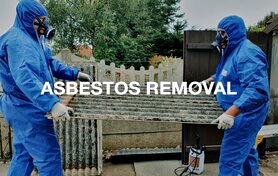
In these situations, licensed contractors must carry out the work. Professional asbestos removal in Newcastle ensures safe handling, disposal, and legal compliance.
Risks of Ignoring Asbestos Responsibilities
Failing to manage asbestos properly is not just a compliance issue — it’s a serious business risk.
Potential consequences include:
- Legal action and substantial fines
- Business disruption or closure
- Liability claims from tenants or employees
- Reputational damage
- Health risks, including long-term illness
For landlords and businesses alike, proactive management is always more cost-effective than reactive action.
Asbestos Responsibilities for Multi-Site Businesses
If you operate across multiple locations in the Northeast, consistency is key.
Many organisations manage asbestos across:
- Newcastle
- Gateshead
- Sunderland
- Durham
- Northumberland
A provider offering regional coverage can streamline compliance across all sites, including:
How to Stay Compliant: A Simple Checklist
To meet your asbestos obligations, follow these steps:
- Arrange a professional asbestos survey
- Maintain an up-to-date asbestos register
- Create and implement a management plan
- Inform contractors before any work begins
- Review and update your plan regularly
Taking these steps not only ensures compliance but also protects people working in or visiting your property.
Conclusion
Managing asbestos in Newcastle commercial properties is not optional—it’s a legal and operational responsibility for businesses and landlords. With many buildings across the region still containing asbestos materials, taking a proactive approach is essential to ensure compliance and protect everyone who uses the space.
From arranging an asbestos survey to implementing a clear management plan and carrying out safe removal when required, each step plays a critical role in reducing risk. Ignoring asbestos responsibilities can lead to serious consequences, including legal action, financial penalties, and long-term health risks.
By understanding your duties and working with experienced professionals, you can confidently manage asbestos in Newcastle, maintain a safe environment, and avoid unnecessary disruption to your operations.
If you’re unsure about your current compliance status, now is the right time to seek expert guidance and ensure your property meets all regulatory requirements.
Frequently Asked Questions (FAQs)
The duty holder — usually the owner, landlord, or managing agent — is responsible.
Yes. Landlords must identify and manage asbestos risks, typically through a management survey.
It should be reviewed regularly and updated whenever there are changes to the building or its use.
In some lease agreements, responsibility may be shared, but the duty holder must be clearly defined.
It becomes dangerous when disturbed and fibres are released into the air.
You could face legal action, fines, and serious health risks for occupants.